Why I Carry Noise-Cancelling Headphones When I Travel
A small ritual — putting on headphones, closing a case, and breathing out — can turn chaos into calm. Travel brings tiny annoyances that pile up: engine roar, chatty neighbors, the constant hum of airports and hotel air systems. Active noise cancellation changed how I travel; it lets me sleep on planes, focus in transit lounges, and recover faster after long days.
In this guide I share the noise-cancelling picks I actually use, how I test them on real trips, and the travel-minded features that matter most: comfort, battery, durability, and easy connectivity. If you want headphones that survive luggage tosses and deliver real silence, you’re in the right place. Let’s get started today.


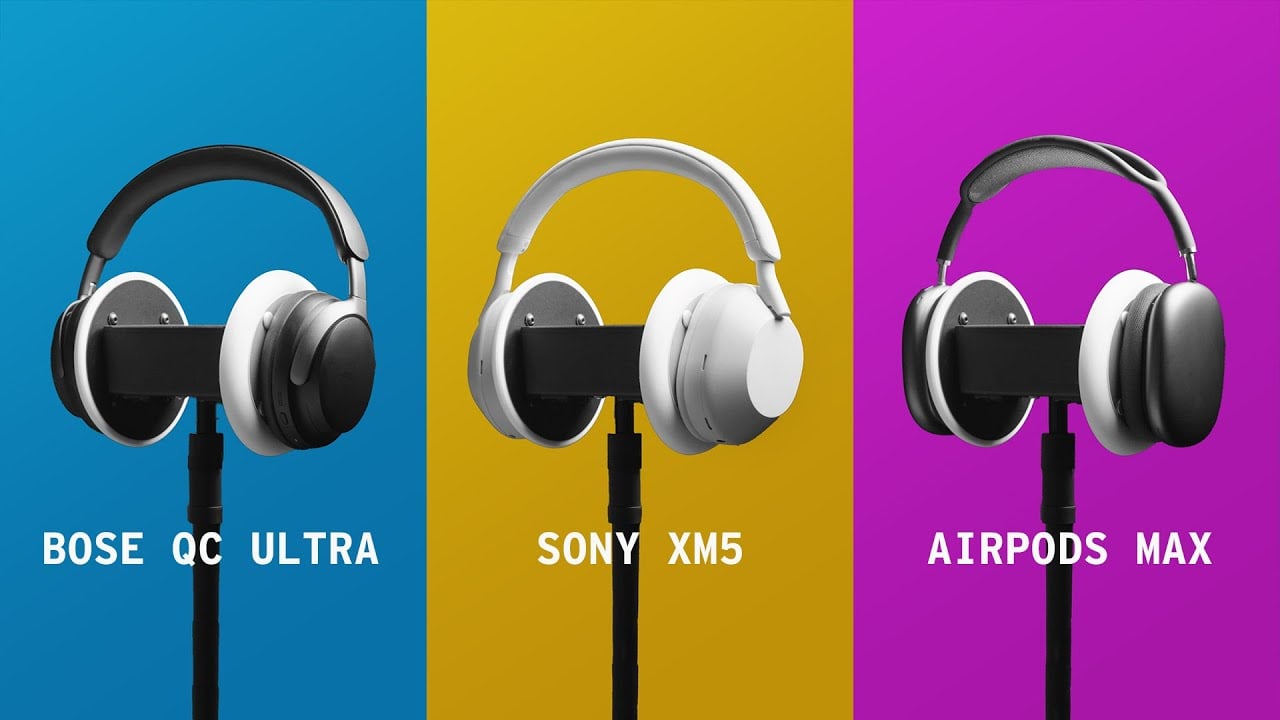
Which ANC Headphones Cancel the Most Noise? Scientifically Tested
What Makes a Noise-Cancelling Headphone Great for Travel
Know the noise you’re up against
When I travel, the annoying sounds aren’t always loud — they’re persistent. Planes and high-speed trains create a steady low-frequency hum; buses and older regional jets add rattles and midrange clatter. The headphones that fail are the ones that ignore that constant bass drone. I look for gear that specifically tackles long, steady noises rather than just sudden spikes.
Effective low-frequency ANC + passive isolation
Active noise cancellation has to do the heavy lifting at low frequencies (20–200 Hz). But ANC and passive isolation work as a team: a tight seal and thick earcups reduce higher-frequency chatter and prevent ANC from working harder than it needs to. In practice, that means over-ears with well-shaped ear pads are usually better for overnight flights than slim on-ears.
Fit, seal, and secure comfort
If the cups slip or the seal breaks when you nod off, the ANC performance collapses. I test fit by leaning forward in a café chair and walking briskly through a terminal — if the seal holds and sound stays consistent, the pair makes the cut. For glasses wearers, softer clamping force with plush pads beats bone-crushing tightness.
Travel-friendly design details
Small things matter: a sturdy case that actually keeps the cups from getting crushed, foldability that fits airline seat pockets, and weight under about 350 g for long-haul comfort. Bonus travel wins: easy one-button airplane mode pairing, a wired-aux option for inflight systems, and a battery that won’t die on a red-eye.
Quick travel checklist
These are the features that turn noise-cancelling headphones from a nice accessory into an essential travel tool.
How I Put Headphones Through Their Paces for Trips
I don’t just read specs — I recreate travel conditions. My testing protocol combines airport, onboard, and controlled simulations so my recommendations reflect what you’ll actually feel on a red-eye or a busy connection. I’ll walk you through the exact checks I run and the numbers I write down.
In-flight and terminal tests
On flights I listen to a mix of steady-hum tracks, dialog-heavy podcasts, and movie scenes to judge how ANC handles low-frequency engine noise, midrange announcements, and sudden spikes. In terminals I wear headphones while walking concourses, sitting near boarding gates, and in crowded cafés to see how they respond to variable chatter and announcements.
Simulated cabin noise & ANC measurements
At home I play a calibrated cabin-noise track at set SPLs and measure perceived reduction across bands (rough checks around ~50 Hz, ~200 Hz, ~1 kHz). That tells me whether ANC is actually cutting engine rumble or just smoothing highs. I note where ANC performs best — some models crush bass but leave midrange announcements audible.
Battery, comfort, and connectivity stress testing
Battery runs: continuous music playback at typical travel volume (≈75%) with ANC on, plus ANC-on standby to simulate multi-leg travel. Comfort trials span 3–8 hours: glasses on/off, side-sleeping in a window seat, and repeated head nods while reading. Connectivity tests include switching between phone, laptop, and tablet, checking multipoint reliability, and measuring latency with a lip-sync movie clip (critical for inflight entertainment).
Metrics I track
These steps keep my picks honest — practical numbers and hard-won impressions that matter on the road.
My Top Picks by Traveler Type
Frequent Flyers — Sony WH-1000XM5 (or equivalent flagship)
For nonstop flyers I want deep, reliable ANC and battery that survives multi-leg itineraries. I used these on a red-eye from JFK to LHR and landed refreshed — engine rumble gone, announcements muted but intelligible when needed.
Budget Travelers — Anker Soundcore Life Q35 / Q45
You don’t need flagship prices to sleep on a plane or drown out café chatter. I’ve used the Life series for short trips; they perform well for the price and survive being tossed in a carry bag.
Business Travelers — Bose 700 / Sennheiser Momentum 4
When I need clear calls in a noisy lounge or on a train, these are my go-tos. Their mics and awareness modes mean I can take a meeting without yelling over background noise.
Light Packers — Sony WH-1000XM4 (foldable) or compact ANC earbuds
For carry-on minimalists I pick a foldable or high-performing earbuds combo. They shave space and weight while still offering respectable ANC.
Long-Haul Sleepers — Bose QC45 or memory-foam over-ears
If sleep is your priority I look for soft clamping force, plush earcups, and balanced ANC that won’t cause pressure headaches. These let me doze and wake up less groggy.
Comfort, Fit, and Long-Haul Wear: What I Look For
Clamping force & headband pressure
Long flights punish poorly distributed pressure. I want enough clamp to seal noise without pinching temples. My quick shop trick: put the cups on, interlace my fingers under the headband and tug gently—if the cups slide off, clamp is too loose; if my temples ache in 5–10 minutes, it’s too tight. On a flight I judge how the pressure evolves over two hours; the right pair settles, the wrong pair tightens as I get sleepy.
Pad materials & breathability
Leatherette pads sound luxurious but can trap heat; velour or perforated protein leather breathes better for overnight use. I swap pads on borderline pairs—memory-foam, velour replacements often transform a “works for an hour” into a “works for eight.” Hypoallergenic pads are a must on back-to-back travel days to avoid rashes.
Weight, balance, and how ears respond
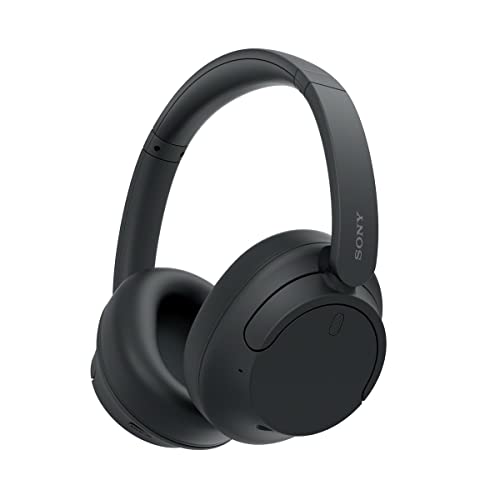
Absolute weight matters less than how it sits. A slightly heavier headset with a well-padded, wide headband spreads weight across my skull; a lightweight one with a narrow band can create pressure points. If my ears feel hot, numb, or I notice muffled hearing after a few hours, that pair’s for short trips only.
Simple in-store and in-flight tests I use
On a plane I test for ear pressure during climb/descent and whether ANC causes head-in-a-vise sensation; I toggle transparency/ambient modes to reduce fatigue.
Adjustments & accessories that save a pair
Managing ear fatigue and skin irritation
I schedule 10–15 minute headphone breaks every 60–90 minutes, alternate ANC levels, stay hydrated, and carry a soft cloth to blot sweat. For irritation I rotate pad types, wash covers, and keep a small tube of fragrance-free barrier cream. These small steps turn marginal pairs into reliable travel companions, and they lead naturally into why battery, connectivity, and travel features matter next.
Battery Life, Connectivity, and Travel-Friendly Features
Battery life: match it to your trip
Short hops need 15–25 hours; multi-leg international trips demand 30–50+ hours or quick top-ups. I think in terms of “real-world endurance”—ANC on, Bluetooth connected, occasional calls—because manufacturer numbers often assume ideal conditions. For weekend city breaks, I’ll tolerate 20–25 hours. For transpacific flights I aim for 30+ or a model with reliable fast charge.
Fast charge, replaceable cells, and ANC‑off behavior
Fast-charge is a lifesaver—10–15 minutes for 2–5 hours of playback has pulled me out of tight airport layovers. Replaceable batteries (rare in modern cans) are game-changers for multiweek trips with no charging access. Also watch how a model behaves with ANC off: some still drain noticeably in standby; others conserve power well. I test this by leaving headphones idle overnight after toggling ANC.
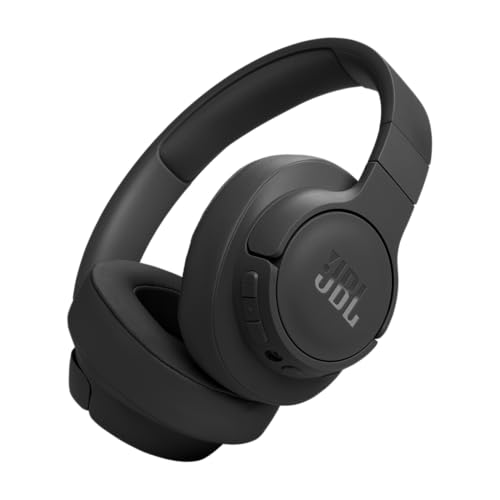
Connectivity: multipoint, codecs, and latency
Multipoint pairing (phone + laptop simultaneously) keeps me from reconnecting mid-boarding. For inflight movies I prioritize low-latency codecs (aptX Low Latency, LC3 or vendor-specific modes) or use a wired connection; otherwise lipsync issues ruin long-haul viewing. If you watch a lot of onboard screens, verify codec support on both device and headset.
Travel-friendly controls and apps
Physical passthrough/mute switches, dedicated ANC-buttons, and an onboard EQ make in-seat adjustments fast and predictable—no fumbling through menus. Companion apps that save presets or let you adjust ambient modes remote are worth the overhead.
Airline compatibility & wired fallback
Always carry the airline adapter and a sealed 3.5mm cable. Even with Bluetooth-enabled planes, wired fallback guarantees movie audio and avoids battery drain.
When pairing dies mid-trip — my quick triage
Next I’ll walk through the practical upkeep and small routines I use to keep these features working reliably on the road.
How to Use and Maintain Your Travel Headphones So They Last
Packing & storage: small habits, big payoff
I learned the hard way that shoving cans into an overstuffed bag is the fastest way to ruin hinges and pads. My routine: remove cables, collapse whatever folds, stash them in a hard or padded case, and never put heavy items on top. On short hops I’ll tuck them between clothes rather than crush cups flat.

Cleaning & pad care
Wipe ear pads and headband with a lightly damp microfiber cloth after sweaty days; for deeper cleaning I use a cotton swab dipped in 70% isopropyl for grills and mic ports. Replace pads yearly if you travel a lot—models like the Sony WH-1000XM5 and Bose 700 have easy replacements. Air them out after humid flights to avoid foam breakdown.
Firmware, apps, and routine upkeep
Before a long trip I check firmware and app updates (Sony Headphones Connect, Bose Music, Sennheiser Smart Control). Always update when you have steady power and Wi‑Fi. Read release notes for ANC fixes. Keep a factory-reset trick handy: hold the power + specific button combo (check your manual) to clear persistent bugs.
Quick troubleshooting I rely on
Flight hacks and tight-stow tips
When you need awareness, switch to transparency/ambient mode briefly instead of turning ANC off. To stretch battery life, disable wear-detect and voice assistants, use wired mode for long movies, and fast-charge during connections. If space is tight, wrap cups in a soft shirt and avoid compressing them for hours — structural damage is slow but real.
Next, I’ll wrap up with my final thoughts and the carry-on essentials I never leave home without.
Final Thoughts and My Carry-On Essentials
The right ANC headphones can transform travel days by cutting noise, reducing stress, and letting you rest or focus. I prioritize comfort, ANC performance, battery and connectivity, and travel-minded features like foldability and quick-charge. Choose what matters to your routes and sleep patterns; those priorities narrow options fast.
My advice: test candidates on short trips, break them in, and carry a compact case plus spare cable or charger. Once matched to your travel style, they become one of the simplest ways to make journeys less exhausting. I still pack mine first every single time.