After months of testing both, I’ll tell you which one actually eased my stubborn knots faster — and why I’m switching for good.
I tested the TheraGun Pro and Hypervolt 2 side by side to help you pick the right percussion massage gun, balancing power, comfort, noise, usability, and practical results.
Deep Recovery

I find this unit excels when I need deep, professional-style massage and targeted recovery — it feels clinical yet usable at home. It’s built for heavy-duty recovery and delivers consistent power, though the cost and weight make it less ideal for casual or frequent travel use.
Everyday Relief

I appreciate the balance of power, low noise, and portability — it’s my go-to when I want quick, effective relief without the bulk. It won’t match the deepest clinical pressure of top-tier devices, but for daily recovery and travel it’s a very practical choice.
TheraGun Pro
Hypervolt 2
TheraGun Pro
Hypervolt 2
TheraGun Pro
Hypervolt 2
Theragun Pro (5th Gen) vs Hypervolt 2 Pro: Which Massage Gun Reigns Superior in 2024? Detailed Review
Specs and Build: What's Under the Hood
TheraGun Pro (G5) — feel and core hardware
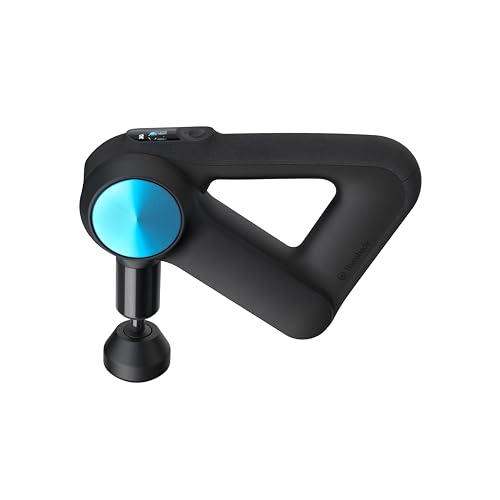
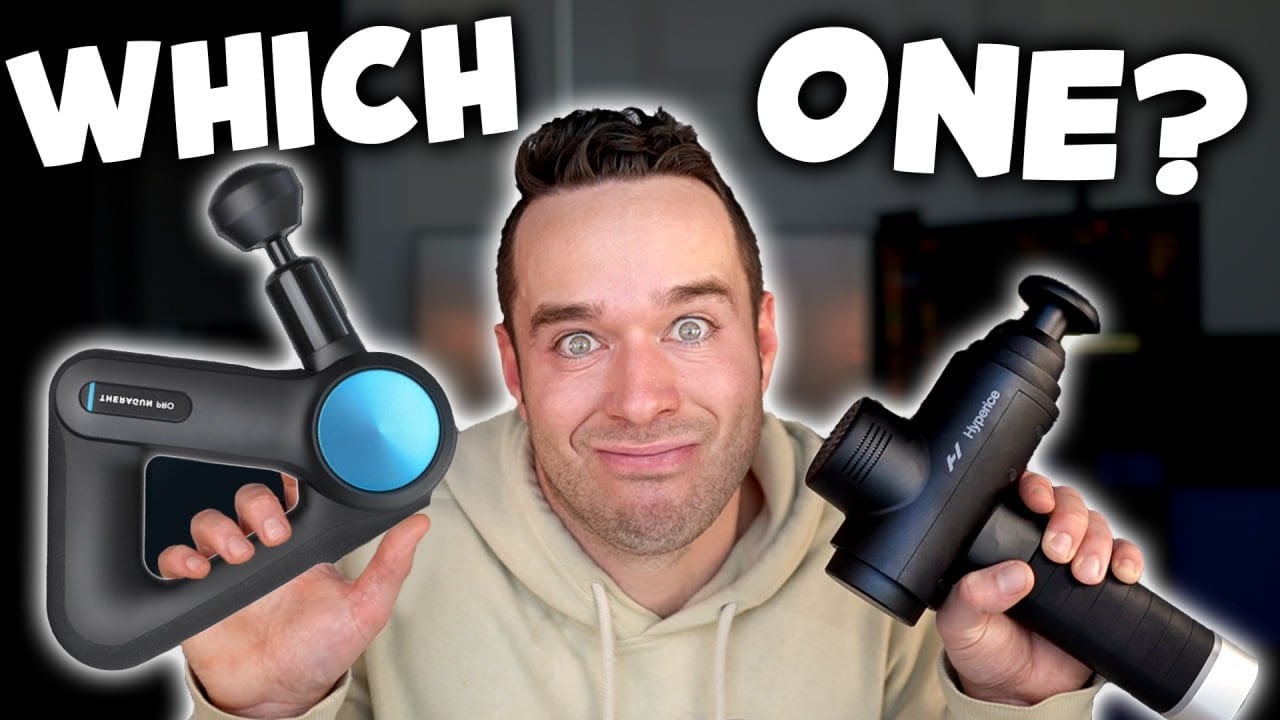
When I pick up the TheraGun Pro it feels solid and purposeful — noticeably heavier and denser than most consumer units. It uses a high-torque brushless motor and a long 16 mm stroke (amplitude), which gives real deep-tissue displacement and a very different tactile punch compared with milder guns. The patented triangle handle and rubberized grips change how the weight distributes, so the heft doesn’t feel tiring if you adjust your grip.


Hypervolt 2 — feel and core hardware
The Hypervolt 2 feels lighter, more streamlined and easy to cradle for long sessions. Hyperice tuned it for smoother, quieter operation (QuietGlide tech) with a shorter stroke that translates to less aggressive percussion than the TheraGun. The motor is efficient and brushless, optimized for sustained use rather than maximum blunt-force amplitude.
How these specs translate
In short, TheraGun’s build screams “deep work” and durability — heavier, more forceful, swap batteries for long sessions. Hypervolt 2 says “everyday use” — lighter, quieter, and easier to hold for longer but less aggressive on very stubborn knots.
Feature Comparison
Real-World Performance: Power, Speed, and Comfort
Neck & shoulders
I used each device gently around my neck and upper traps. The Hypervolt 2 felt more soothing and easier to cradle—its softer amplitude and three clear speed settings made it simple to dial in a comfortable rhythm without feeling jarring. I reached for it first when I wanted a quiet, low-intensity finish after a long day.


Back & quads
When I moved to the lower back and quads, the TheraGun Pro showed its strengths. Its long stroke and higher torque delivered noticeably deeper displacement — I could feel tissue moving under the head rather than just surface vibration. That extra “punch” broke up tight quads and dense low-back knots faster than the Hypervolt.


Calves and stubborn knots
On calves and stubborn trigger points, TheraGun was more effective at short, focused attacks — it found anchors and released them in fewer passes. Hypervolt 2 required longer, slower work and felt gentler; good for diffuse soreness but not as decisive on heavy, fibrotic knots.
Sustained use, heat, and comfort
Both handled 10–15 minute sessions well. The Hypervolt 2 stayed cooler and felt lighter on my wrist for extended use; it’s the less tiring option. The TheraGun Pro ran warmer under continuous high-intensity work but maintained speed and resistance under pressure (less bogging down). The triangle handle on the TheraGun reduced wrist strain when I needed to apply force; Hypervolt’s single ergonomic grip was more comfortable for casual, longer sessions.
Features, App, and Usability: Everyday Experience
Attachments & Accessories
TheraGun Pro ships with six heads that cover everything from sensitive joints (Supersoft) to pinpoint trigger work (Micro-Point). I appreciated the variety for targeted sessions and the hard carry case that keeps spare swappable batteries and extras organized.


Hypervolt 2 includes five solid heads (ball, flat, bullet, fork, cushion) that handle general recovery very well. Its molded zip case is lighter and more travel-friendly, but you don’t get spare batteries or the same accessory breadth.


Ergonomics & Controls
TheraGun’s triangular handle gives me multiple grips for forceful, precise work; controls are intuitive once you get used to the angles. It’s heavier, so short, intense sessions feel best.
Hypervolt 2’s single ergonomic grip is easier to cradle for long, casual recovery sessions; a simple bottom power button and three speed LEDs make it idiot‑proof.
Bluetooth, App, and Routines
Both pair with apps offering guided routines. Theragun’s app ties into built‑in guided routines and visual cues I used for targeted protocols. Hyperice’s HyperSmart guidance is straightforward and quicker to navigate for basic warm-ups and cooldowns.
Battery, Charging, Case Quality
TheraGun’s swappable batteries remove session anxiety — I can swap and keep going. The Pro’s case is robust but bulkier. Hypervolt 2’s internal battery is reliable for multiple sessions but you can’t hot-swap if you run out mid-use.
Noise & Daily Use
Hypervolt’s QuietGlide is noticeably quieter and smoother in my living room. Theragun is quieter than older models but still delivers a more pronounced percussive thump — great for results, slightly less discreet for late-night use.
Quick facts I found most relevant:
Price, Value, and Who Should Buy Which
Price snapshot and warranty
On Amazon right now I see the TheraGun Pro around $530 and the Hypervolt 2 about $229 — roughly a 2x price gap. Both are sold with manufacturer-backed warranties and Amazon’s standard return support; I always check the product page for the exact warranty length and registration steps before buying.
Long-term value and resale
I view TheraGun Pro as an investment: higher build quality, swappable batteries, and more heads mean it stays useful for heavier, repeated use and tends to hold resale value better. Hypervolt 2 is a smarter buy if you want dependable daily recovery without the premium — lower upfront cost but typically lower resale price.
Practical resale & longevity notes
Who I recommend each for
Trade-offs to consider
If your priority is raw performance and longevity, pay up for the Theragun Pro. If budget, portability, and quiet everyday use matter more, the Hypervolt 2 gives you the best value-for-money balance.
Final Verdict: Which I Prefer and Why
I choose the TheraGun Pro as my pick. Its superior percussive performance and deeper amplitude deliver faster, more effective relief for chronic tightness and athletic recovery, and the ergonomic multi-angle handle plus Bluetooth app make treatments easier and more precise. Yes, it’s louder and pricier than the Hypervolt 2, but for anyone prioritizing raw power, run-time consistency and clinical-level results, that tradeoff is worth it. Performance and comfort win for me because I regularly use it after intense training and appreciate how reliably it reaches deep knots without needing awkward positions.
If you want quieter operation, lighter weight and better value for casual soreness, pick the Hypervolt 2—it’s excellent for everyday use and noise-sensitive settings. If you need maximum therapeutic punch, customization and professional-grade performance, buy the TheraGun Pro. Which feature matters most to you—quiet convenience or deeper muscle work? If budget and quiet operation are higher priorities than raw depth, the Hypervolt 2 will satisfy most users while saving money. Think performance first.