Pocket-sized cameras, BIG results — which one earns a seat on your next trip?
Compact doesn’t mean compromise. I once shot a sunrise on a cliff with a camera that fit in my jacket pocket and still outperformed a heavier kit in tricky light.
Travel is about moments, not bulk. A small camera that zooms, focuses fast, and fits in a daypack makes more memories happen. I’ll show you what I bring and why.
Our Top Compact Picks



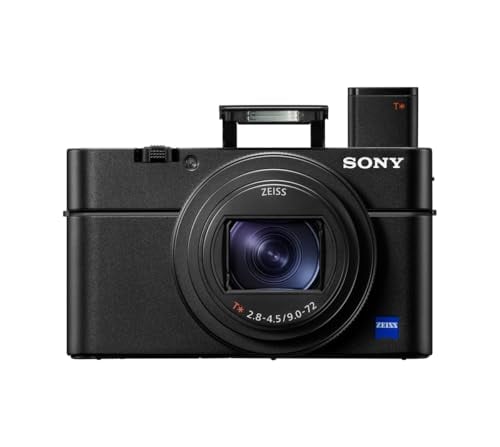
Sony RX100 VII Premium Travel Zoom Camera
A powerhouse in a pocketable body that delivers near-DSLR performance for stills and video. I appreciate the long 24–200mm equivalent zoom, blistering autofocus, and the speed that make it a true do-it-all travel camera.
What makes it stand out
This model is the one I pick when I want a travel camera that doesn’t compromise on reach or speed. It squeezes a versatile zoom and a highly capable stacked 1.0-type sensor into a very small footprint, so it goes places bigger systems can’t.
Key strengths and practical implications
For travel days when I’m switching quickly between street scenes, distant subjects, and spontaneous portraits, the rapid AF and long zoom are invaluable. The small body fits a jacket pocket, so I end up carrying it more often than a larger setup.
Considerations before buying
The RX100 VII commands a premium price, and ergonomics are tight — if you prefer larger buttons or want extensive manual controls that are easy to dial on the fly, a slightly larger camera might be more comfortable. Still, for sheer capability in a pocketable unit, it's hard to beat.
Panasonic LUMIX LX100 II Large Sensor Compact
A rare compact with a larger Micro Four Thirds-derived sensor and a bright Leica zoom, delivering exceptional image quality and depth of field control. I turn to it when I want near-DSLR results in a small, stylish package.
Why I value its image quality
This camera blends the handling and control of a more traditional camera with a compact body and a large-sensor advantage. The Four Thirds-based multi-aspect sensor gives me better dynamic range and shallower depth of field than typical compacts, which is especially noticeable in portraits and low-light scenes.
Key features I use often
When I need punchy images with crisp detail at the edges, the lens-sensor combination shines. The physical controls and the hybrid viewfinder make precise exposure and composition fast and enjoyable, which I appreciate on longer photo walks.
Considerations and practical tips
Be aware that the camera uses multi-aspect cropping to achieve different aspect ratios, so effective megapixels vary by mode. It’s slightly heavier than the smallest pocket compacts, but that weight brings a substantial feel and better ergonomics. For photographers who prioritize image quality in a genuinely compact body, it’s one of my top recommendations.
Sony ZV-1 Vlogging Camera with Flip Screen
A compact, purpose-built camera that balances excellent image quality with vlogger-friendly ergonomics and features. I found its autofocus, built-in microphone options, and flip screen make capturing polished video quick and reliable.
Why I like it and who it's for
I reach for this camera when I want high-quality video without hauling a lot of gear. It was designed for creators, and that shows in every control and mode: fast autofocus, a directional built-in mic system, and a fully articulating touchscreen that makes framing and monitoring easy when I'm filming myself.
Key features and what they mean in practice
The bright lens and strong sensor mean I can shoot handheld in lower light than typical compacts. The built-in microphone and windscreen reduce the need for an external mic on casual trips, and the product showcase feature is a genuine time-saver for quick demo clips.
Practical notes, limitations, and tips
The camera isn’t a superzoom, so if you need long telephoto reach the body will feel limiting. Battery life is good for a day of light shooting but I carry a spare on longer trips. If you want the cleanest audio in crowded wind-prone locations, pairing it with a compact external mic is my go-to. Overall, it strikes a strong balance between portability, image quality, and creator-focused convenience.
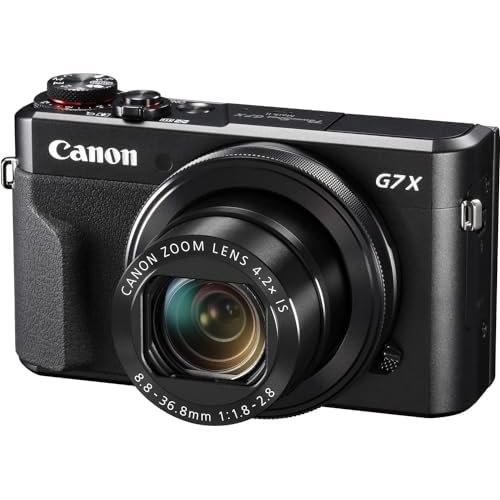
Canon G7 X Mark II Compact Shooter
A proven compact with a bright lens and comfortable handling that still delivers pleasing images. I like it as a practical, pocketable option when you want quality without the latest bells and whistles.
Who this is for
I recommend this for travelers who want a step up from a smartphone without the expense or complexity of a new flagship compact. It’s especially appealing if you value a bright lens for low light and natural-looking images straight out of camera.
Notable attributes
In everyday use I found it reliable for snapshots, street candids, and travel portraits. The autofocus is acceptable for planned shots but can struggle with fast-moving subjects compared with newer models.
Limitations and tips
Because it doesn’t offer 4K and its AF is older generation, I avoid it for fast action or when I need the highest video detail. For most vacation photos and casual videos, though, it remains a cost-effective, capable companion—especially as a renewed purchase if you’re mindful of your budget.
Canon PowerShot SX740 HS Travel Zoom Camera
A practical travel companion if your priority is long zoom reach in a compact body. I value the 40x optical zoom for landscapes and distant subjects, though the smaller sensor limits low-light performance compared with larger-sensor compacts.
What it does well
If your trips are full of distant landscapes, wildlife glimpses from a safe distance, or cityscapes from afar, this camera makes those shots accessible without swapping lenses. The 40x zoom is the headline feature I rely on for reach.
Important features and real-world use
In bright daylight the images are acceptable and the zoom opens creative framing possibilities. For evening scenes or dim interiors I tend to see more noise and less dynamic range than with larger-sensor compacts, so I plan accordingly.
Practical advice
Bring a small travel tripod for long-zoom shots to avoid camera shake, and shoot RAW when you need extra latitude in post. If ultra-long reach is your priority and you can accept trade-offs in sensor size, this is a very convenient and affordable option.
Final Thoughts
If I had to pick one camera to hand to a traveling friend, it would be the Sony RX100 VII. It’s my top pick for most travelers because it packs near-DSLR speed, a very useful 24–200mm equivalent zoom, and class-leading autofocus into a truly pocketable body — ideal for everything from street scenes to wildlife glimpses.
If your priority is pure image quality and a slightly more tactile experience, I recommend the Panasonic LUMIX LX100 II as the runner-up. Its larger Micro Four Thirds-derived sensor and bright Leica lens give punchy files and nicer background separation when you want that near-DSLR look in a compact package.
How I Choose and Use Compact Travel Cameras
What I look for before I buy
I prioritize three things: sensor performance, zoom versatility, and autofocus reliability. If a camera nails two of those well and is pocketable, it's worth considering. The RX100 VII nails autofocus and zoom balance. The LX100 II favors sensor performance and lens speed.
Practical tips & settings I use
Accessories worth carrying
Care, maintenance, and workflow on the road
Keep the camera in a dry place; humidity kills electronics and lenses. I wipe the lens before and after sandy or salty days. At the end of each day I offload photos to a laptop or SSD and make a quick backup to cloud storage when I have a solid Wi‑Fi connection. Also check for firmware updates before a big trip — manufacturers often fix bugs and improve autofocus.
Choosing by use case & budget
Avoid the common mistake of overpacking lenses or accessories you won’t use. A single well-chosen compact plus a spare battery and memory card often outperforms a heavy kit on short trips. I prefer to travel light and shoot more — that’s the real advantage of these cameras.
FAQ
Yes — in many real-world travel situations. Compact cameras like the RX100 VII or LX100 II have larger sensors, better optics, and stronger zoom ranges than most phones. That translates to cleaner low-light images, shallower depth of field for portraits, and more reach for distant subjects. Your phone still wins for instant sharing and convenience, but a compact camera gives you noticeably better image quality and creative control.
Not always, but it helps. 4K gives you more detail and room to crop during editing — handy for travel montages. If you plan to crop, stabilize in post, or want future-proof footage, choose a camera that records 4K. If you mostly share to social media and want longer battery life, 1080p is still perfectly fine.
Both matter, but they serve different needs. A longer zoom (like the SX740 HS’s 40x) is invaluable for distant subjects and sightseeing. Larger sensors (RX100 VII, LX100 II) give better low-light performance and shallower depth of field. For general travel I prioritize a balance — the RX100 VII leans that way. If you always photograph landscapes or wildlife from a distance, a long-zoom compact is more useful.
Grab at least one spare battery (two for days of heavy shooting) and a small USB power bank for charging on the go. For memory, I use at least a 64GB UHS-I card for long days; 128GB if I’m shooting lots of 4K or raw files. Keep one empty card in a different pocket as a quick backup.
Yes. Good stabilization lets you shoot handheld in low light and use longer zooms without blur. Cameras like the RX100 VII and SX740 HS have strong stabilization. If you plan handheld video or telephoto shots, prioritize stabilization over some other features.
Bring a compact when weight, speed, and convenience matter more than ultimate system flexibility. If you want one camera to do streets, portraits, landscapes, and video without the bulk of extra lenses, a high-end compact is usually the better travel companion.